
From June 23 to 25, the 17th Annual Meeting of the New Leaders of the World Economic Forum was held in Dalian, Liaoning Province. With the theme of "Scale Innovation", this annual conference brings together more than 1700 political, business and academic leaders from more than 90 countries around the world. Zhong Baoshen, Chairman and General Manager of Longji Green Energy, was invited to attend the round-table dialogue on "Recycling to Green: Climate Capital Flow and Value Landing", and systematically shared Longji's thoughts and practices on the technological path and capital-driven development of renewable energy.
Solar Energy: The Only Way
to Energy Independence Solar energy has become the cheapest energy source in most parts of the world. Zhong Baoshen believes that the development of renewable energy is not only an urgent need to cope with climate change, but also a strategic choice to promote local economic growth and achieve energy independence. Solar energy and wind energy are more dispersed than oil and gas, which enables them to better benefit all regions and effectively enhance the autonomy of energy strategy. From the perspective of energy resilience, security and economy, the development of renewable energy is extremely beneficial to the local economy.
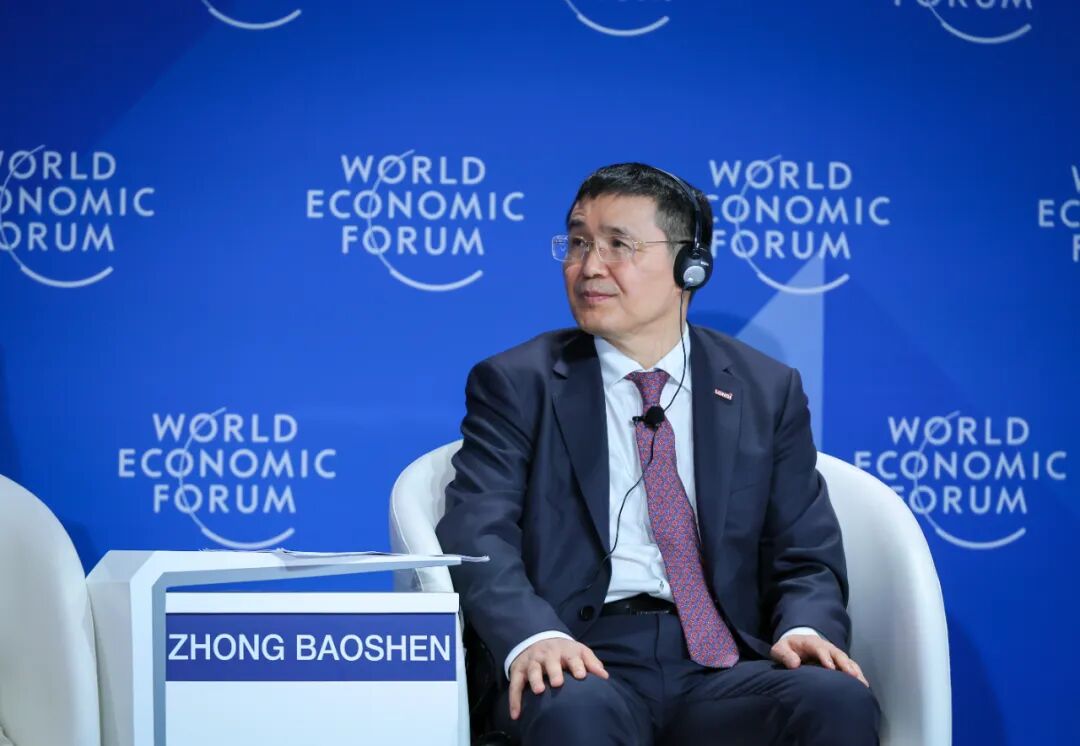
Over the past 15 years, the cost of solar power generation has been reduced by more than 90%, relying entirely on technological progress, in which Chinese enterprises have made great contributions. It is this continuous innovation that makes renewable energy a world for all possible.
Zhong Baoshen pointed out that the core challenge of the current industry lies in the bottleneck of expansion caused by grid-connected absorption and intermittent solar energy. The key variable to break this bottleneck is maturing-the dramatic reduction in the cost of energy storage, enabling us to build a truly renewable energy system. Through the integration of photovoltaic, wind power and energy storage, it is possible to rely entirely on renewable energy to support the power system. From the operation of large mines by wind power plus energy storage to the realization of 100% renewable energy supply in large communities, a large number of demonstration projects have been launched globally.
Based on this trend, Zhong Baoshen elaborated Longji's development idea of "integration of light and storage, unbounded green energy": the photovoltaic side continuously improves conversion efficiency, reduces costs, and promotes the deep integration of photovoltaic with buildings, transportation and other scenes; The storage side focuses on the combination of light and storage, which can effectively store green power and call it on demand, and ultimately make renewable energy economical, convenient and reliable, and can meet the needs of life and work in any scenario. To achieve this blueprint, we need the support of scientific and technological innovation in the fields of power generation forecasting, energy management, power dispatching and so on. Happily, the world is booming in these areas, and the conditions for large-scale deployment of clean energy and making it a supporting power source for the grid are becoming more and more mature.
Crossing the Financing Gap: Beyond the technology path of realizing the long-term value
of green priority, how capital and policy clear the obstacles for large-scale deployment is a more realistic proposition. Around the capital bottleneck of global renewable energy deployment, Zhong Baoshen pointed out that the difference of financing cost in different regions directly affects the promotion speed of clean energy.
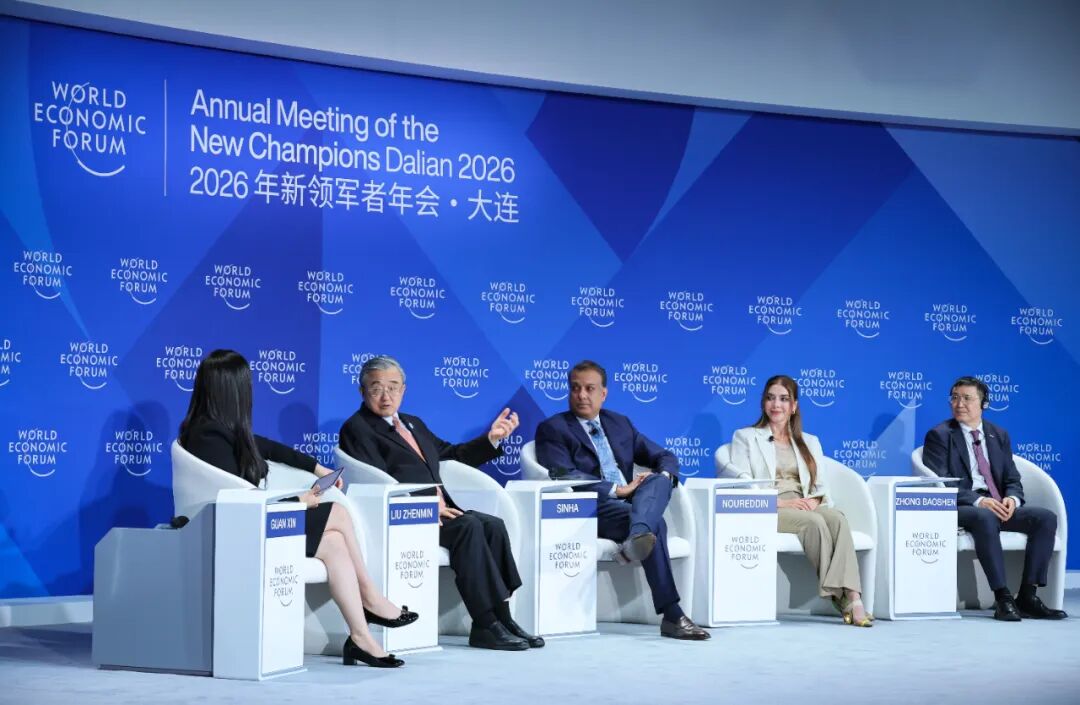
In the Middle East, Africa and other regions, due to risk concerns, investors often require a three-year return, and the cost of financing may be as high as three to five times that of developed regions, which is difficult for local consumers to afford. The significant advantages of photovoltaic and wind power lie in their rapid deployment and flexible scale, which make it possible to supply power to a region or even a country from lawn lights and lighting lights. Therefore, he called on the international community to jointly innovate with insurance, public welfare and other institutions to help reduce interest rates in areas with high financing costs, so that renewable energy can really get development opportunities locally.
In developed regions and China, there is another dilemma-the priority of green energy. According to Zhong Baoshen's analysis, the initial return of renewable energy is good, but with the increase of installation, its marginal cost is very low, the price competition is fierce during the period of abundant electricity, and the motivation of enterprises to continue investing is declining. To encourage reinvestment, it is necessary to develop energy storage to achieve cross-time power consumption, but this will raise the cost of renewable energy in the short term, so that it may be slightly higher than fossil energy at a certain stage.
If we take a long-term view, this short-term contradiction is not worth worrying about. Zhong Baoshen used German experience to show that the price of photovoltaic power on the grid was much higher than that of fossil energy, but with the progress of technology, the cost is now far higher than that of fossil energy. The initial cost of the current stand-alone green energy system may be slightly higher, but the margin is very small. "In 2025, the global development of renewable energy reduced oil and gas purchases by $250 billion, of which China saved $110 billion a year in oil and gas purchases." The data strongly prove that the longer the accumulation of time, the more the benefits of renewable energy can far exceed the initial investment, which is extremely beneficial to economic development.
Therefore, he suggested that in developed areas, if we can give priority to the development of green energy, or recognize its green value, so that the project can get a reasonable return, it will be very beneficial to the deployment of clean energy. At present, China is pushing relevant parties to assume the responsibility of carbon reduction, which is essentially to give priority to green energy. From the enterprise side, Longji has developed a micro-grid system combining photovoltaic and energy storage, a distributed energy system equipped with intelligent forecasting and scheduling, and photovoltaic water pump solutions in arid areas of Central Asia and Africa, which continuously adapt to the needs of different scenarios. Only by breaking through the path of
technological breakthroughs, clearing the obstacles of capital and policy, and walking on two legs can large-scale deployment of clean energy be truly accelerated. Zhong Baoshen said that as finance, insurance and the whole society give more support to green energy, and enterprises continue to produce competitive innovative products, the overall deployment of clean energy will be faster and faster, and the ability to cope with climate change will be stronger and stronger.


 浙公网安备33010802003254号